

Movers to move furniture should be judged on what they do to individual pieces, not on their day rate. A proper job means pad wrapping every freestanding item, dismantling what genuinely comes apart, protecting the building on the route out, and knowing in advance which pieces will not fit through which door. The questions asked during the survey tell you most of what you need. Anyone quoting on bedroom count alone has not looked at your furniture.
Almost every difficult move I have run in West London came down to one or two items rather than the whole load. A wardrobe assembled in the room in 1974. A sofa that came in before the porch was built. A marble console nobody could lift on their own.
Everything else is boxes, and boxes are easy.
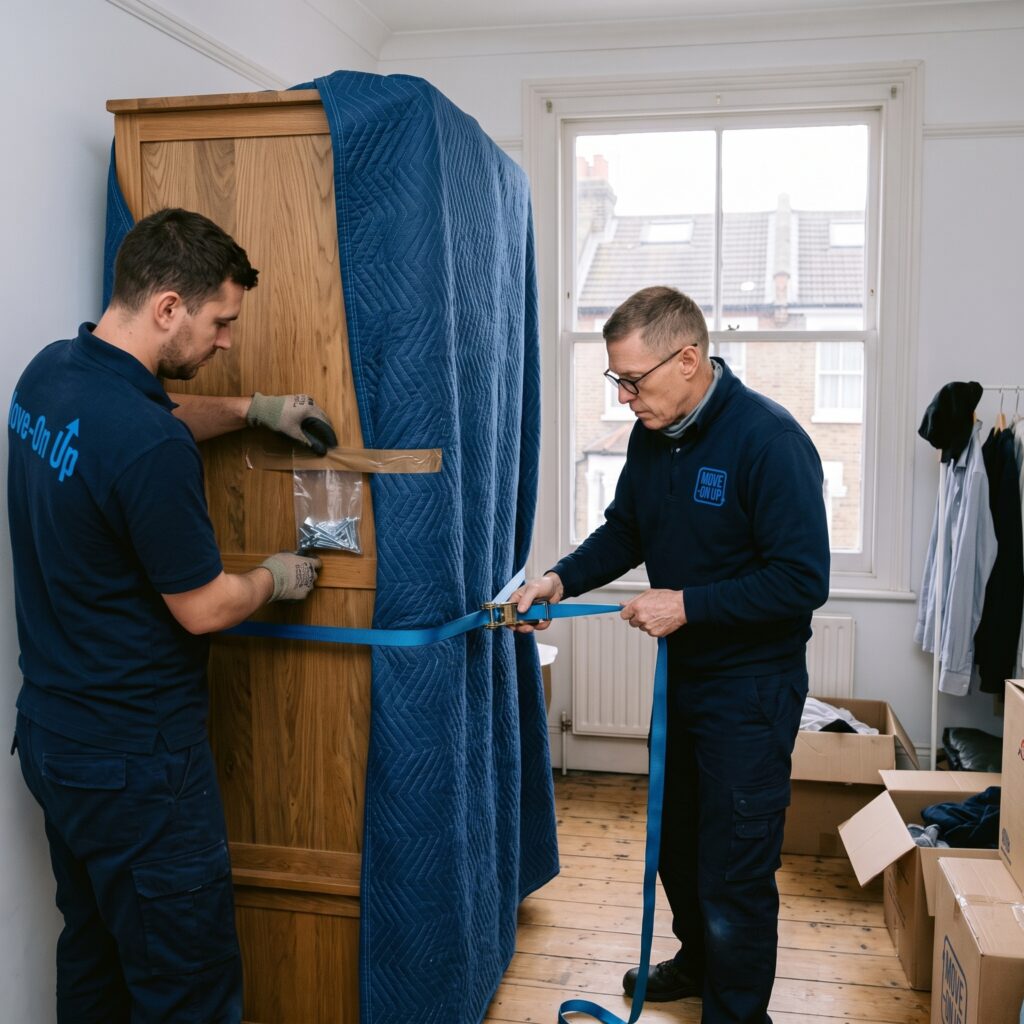
What movers to move furniture actually do to each piece
Pad wrapping comes first. Every freestanding piece gets a moving blanket and a strap, not a blanket draped over it in the van. Corners take the impact on a staircase, so corners get the protection.
Dismantling is a judgement rather than a default. Bed frames come apart and go back together well. Solid timber wardrobes with knock-down fittings are usually fine. Chipboard flat-pack held with cam locks is a different matter, because the cams chew their housings the second time and the panel never pulls tight again. A good removals company will tell you honestly that your six year old wardrobe may not survive being taken apart, and let you decide.
Fixings get bagged and taped to the piece they came off. It sounds trivial until you are looking for six bolts at nine in the evening. Most of the house and flat removals we run include reassembly, and that only works if the parts arrive together.
The pieces that decide the day
Staircases are the usual constraint, and period ones are worse than people expect. Approved Document K of the Building Regulations caps a private stair at a 220mm rise and a 42 degree pitch. Most Victorian and Georgian stairs in Notting Hill and Holland Park predate all of that, so they are steeper, narrower and more likely to turn on a half landing. A two metre sofa and a turning half landing is a geometry problem, not a strength problem.
Sofas are the piece worth measuring before booking any house moving companies. Check whether the legs unbolt, whether the back detaches, and whether it came into the room before a doorway was altered. Occasionally the answer is that it leaves through a window or does not leave at all.
Marble, glass and stone tops travel separately, upright, and never flat under weight. Pianos need specialist equipment and a proper look first. Anything with real value or age wants the approach I set out in the piece on moving art and antiques, which applies to a bureau as much as to a painting.
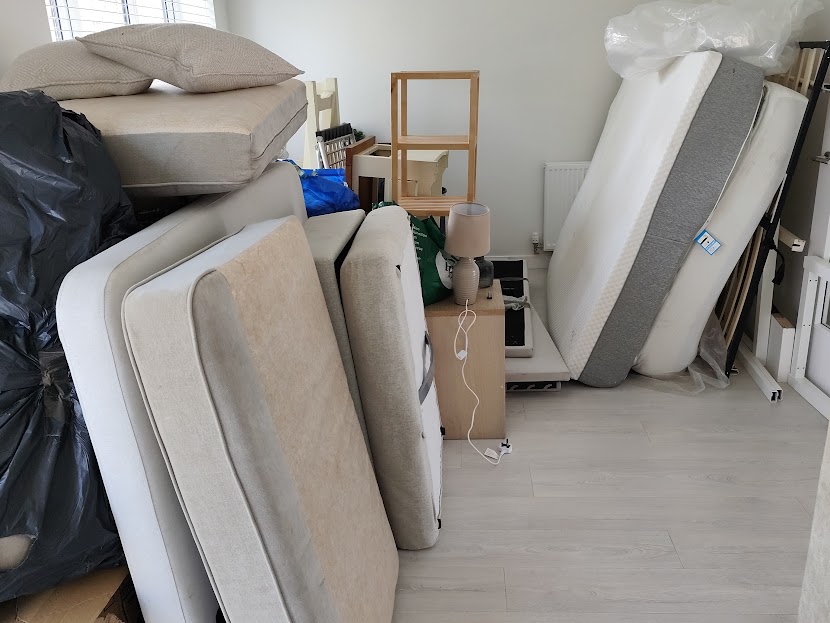
Judge a firm by the questions it asks about your furniture
Searching movers near me produces a list. The survey conversation sorts it.
Listen for specifics. Do they ask the width of your front door and the turn on the stairs. Do they ask whether the wardrobe is solid or flat-pack. Do they ask what floor you are on and whether the lift is big enough for a mattress upright. Do they ask about marble, glass, pianos, safes and anything unusually heavy.
A firm that asks none of that is quoting on averages and will discover your furniture at eight in the morning. Local removal companies have a genuine advantage here, because someone who has worked a Ladbroke Grove conversion before already knows the stairwell type before they arrive. That local knowledge is worth more than a slightly lower hourly rate.
The furniture you are not taking
Half of most moves is deciding what does not go. Two rules make that easier.
The first is donation. Under the Furniture and Furnishings (Fire) (Safety) Regulations 1988, used upholstered furniture must meet the same standards as new and carry a permanent fire label, which is why a charity will refuse a sofa whose label has been cut off. Furniture made before 1 January 1950 sits outside those regulations, so a genuine antique is treated differently from a 1990s three-seater.
The second is disposal. The Royal Borough runs a bulky household waste collection for residential properties, though items have to be left outside at ground level unless you qualify for an internal collection, and anything in a basement or a restricted access area needs assessing before you book. Book it early. Home removals near me searches tend to spike on the same dates as everyone else’s completion.
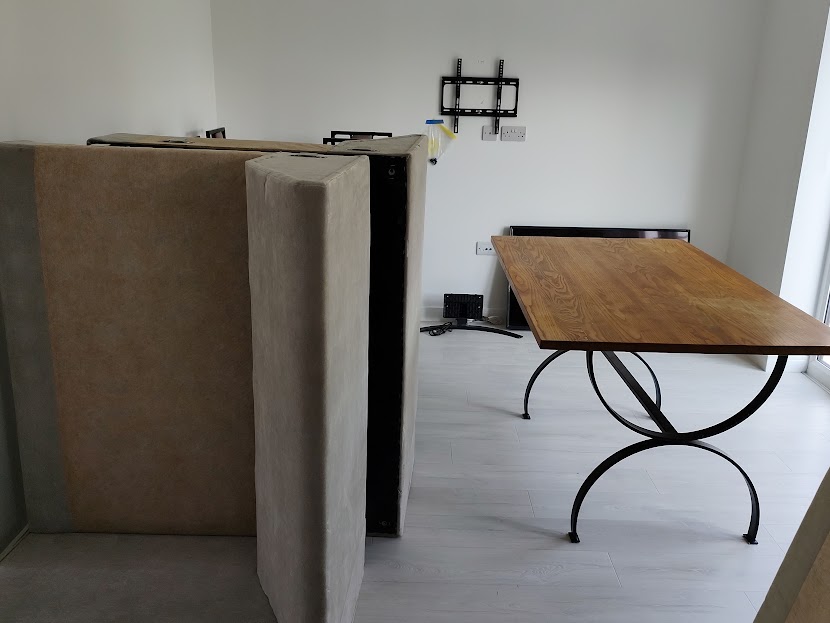
What all this does to the moving house price?
Furniture drives the number more than square footage does. Dismantling and reassembly is labour, specialist items need equipment and sometimes an extra pair of hands, and a piece that has to come out through a window changes the shape of the whole day.
That is why a proper survey pays for itself. A removal company near me that walks the route, measures the awkward pieces and puts the findings in writing is quoting on your actual furniture. Moving companies working from a phone call are quoting on a guess, and guesses get corrected upwards.
Reassembly is worth agreeing explicitly too, because a bed frame left in pieces on the floor is a poor end to a good day. The same reasoning I applied to judging a handyman works here: ask what is included, and ask what they will not do.
Good movers to move furniture treat each piece as its own small problem with its own answer. We survey properly, protect thoroughly and quote fixed across Notting Hill, Kensington, Holland Park and the wider West London area, and the wardrobe conversation happens before the day rather than on it.